Before we dive in, watch the full walkthrough here:
If you’ve been researching homeschool kindergarten, you’ve probably noticed something…
It feels like there are only two options:
- Recreate a classroom at home (worksheets, long lessons, sitting still)
- Or… let your kids run wild all day with zero structure
And neither of those feels quite right.
As a former classroom teacher of 13 years and now a homeschool mom to a kindergartener and a toddler I can tell you: Real homeschool kindergarten lives somewhere in the middle.
And once you understand how to structure your day, everything gets easier.
The Biggest Mistake Most Parents Make
One of the biggest mindset shifts you need to make is this: You don’t need to do everything all at once.
In a traditional classroom, subjects are grouped together:
- Reading
- Writing
- Math
…all in one sitting
That works in a school setting. But at home? It’s not how young kids learn best.
Kindergartners:
- Have short attention spans
- Need frequent movement
- Thrive with variety
So instead of forcing long blocks of learning… you spread learning throughout the day.
What Homeschool Kindergarten Actually Looks Like (Real Life)
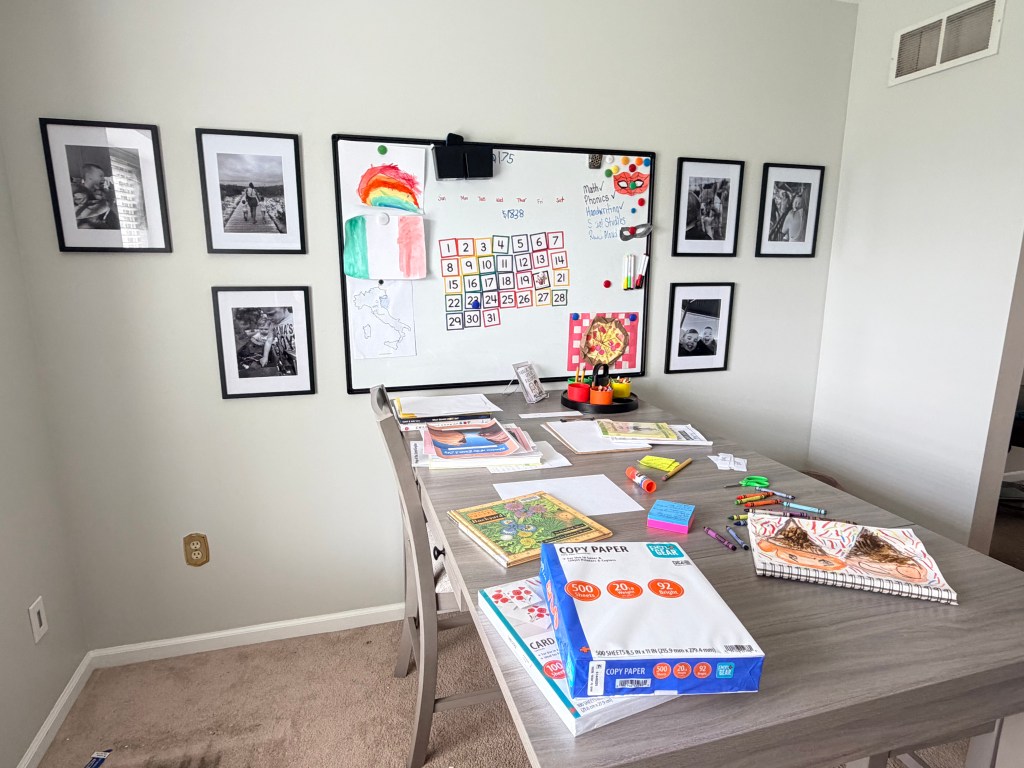
Instead of a strict schedule, think in rhythms. Here’s what that looks like in a real home:
Start With a Slow Morning
Your day doesn’t need to start with “school.”
In fact, it shouldn’t.
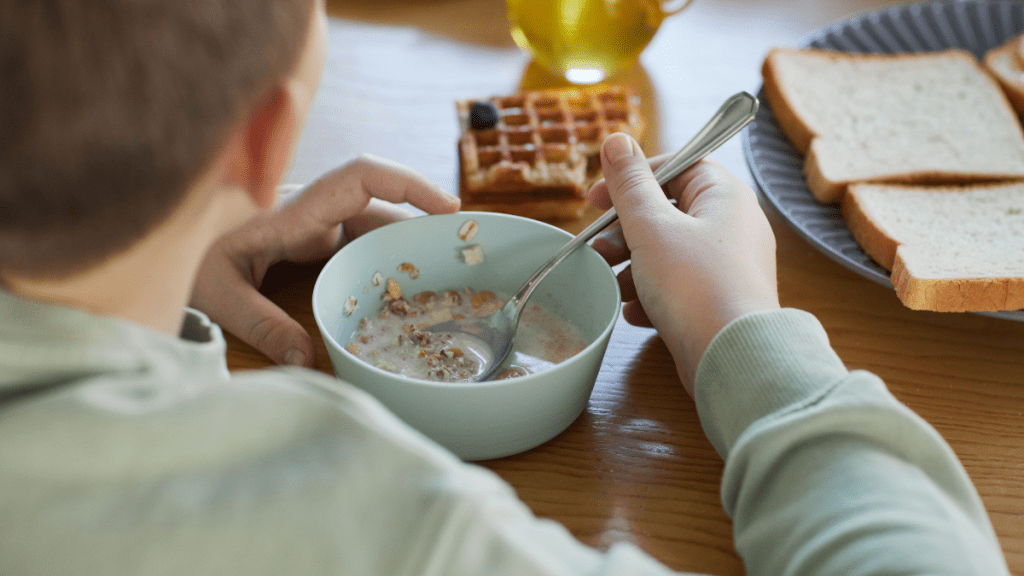
A realistic morning might look like:
- Independent play
- Breakfast
- Coffee (for you ☕)
- Waiting for siblings to wake up
This transition time matters more than people think.
It helps your child:
- Wake up gradually
- Settle into the day
- Feel calm before learning begins
- Release energy before focusing
Use a Simple Morning Anchor
Before jumping into academics, having a consistent starting point makes a huge difference.
In our home, this looks like a morning basket, which includes:
- A quick daily overview
- A connection activity
- A short read-aloud
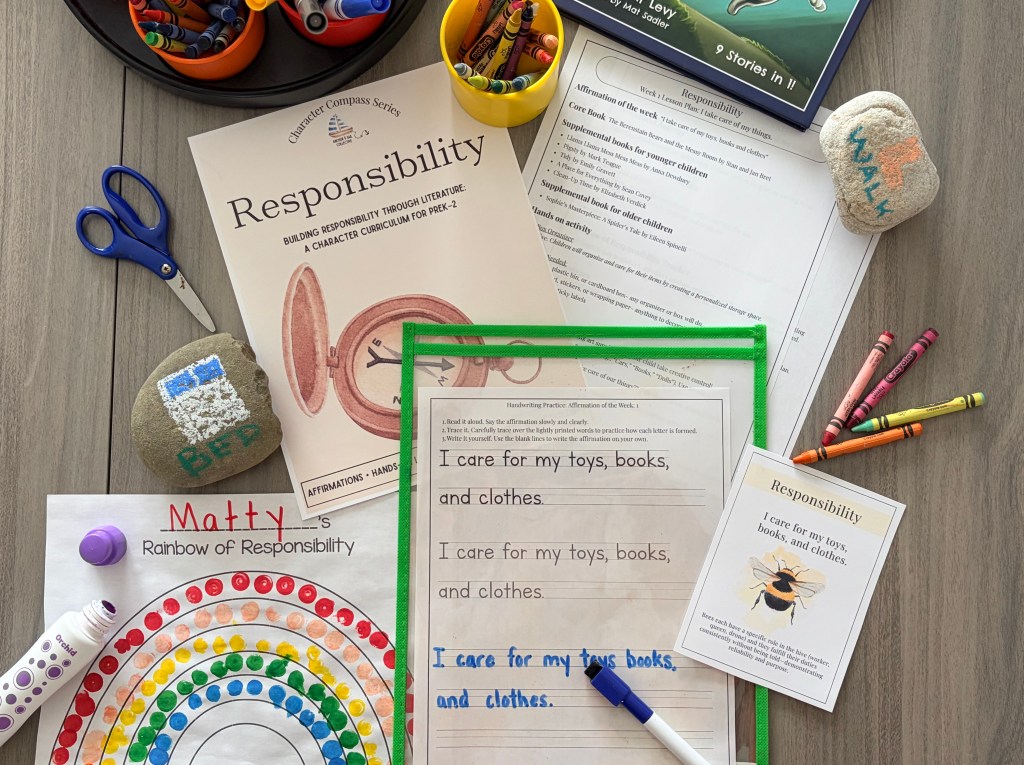
- An affirmation or character focus
This is where we build:
- Emotional regulation
- Connection
- Consistency
And honestly? It sets the tone for everything else.
The “Secret” to Making It All Work
Instead of doing school in one block, your day follows this pattern:
👉 Focused learning → Break → Focused learning → Break
For example:
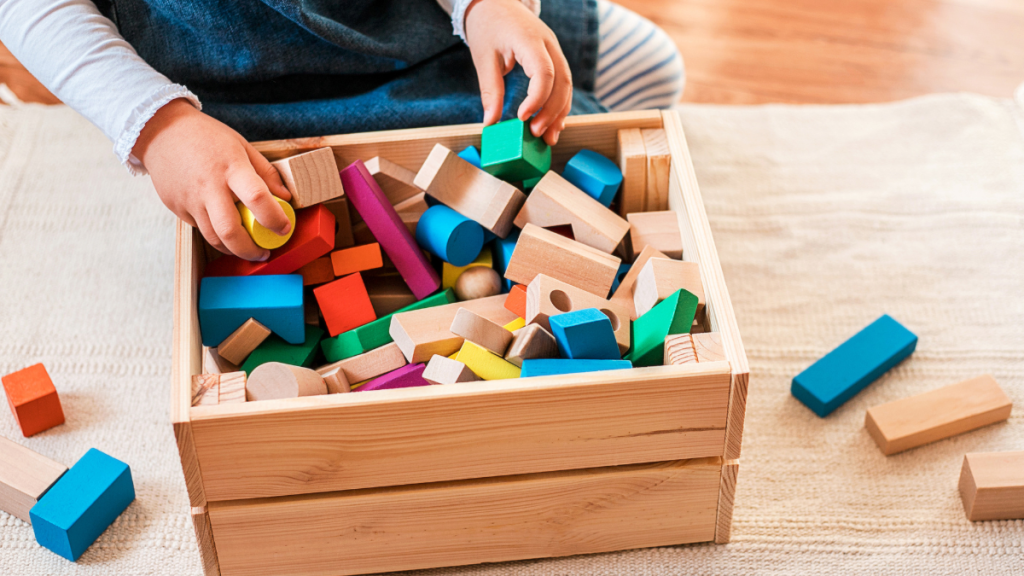
- Phonics (10–15 minutes)
- Break (play, snack, reset)
- Math (10–15 minutes)
- Break again
This rhythm:
- Prevents burnout
- Reduces resistance
- Keeps your child engaged
And just as importantly…it gives you space to manage real life (laundry, siblings, work, etc.)
What About the Other Subjects?
A common question is: “How do you fit everything in?”
The answer is simple: You don’t do it all at once.
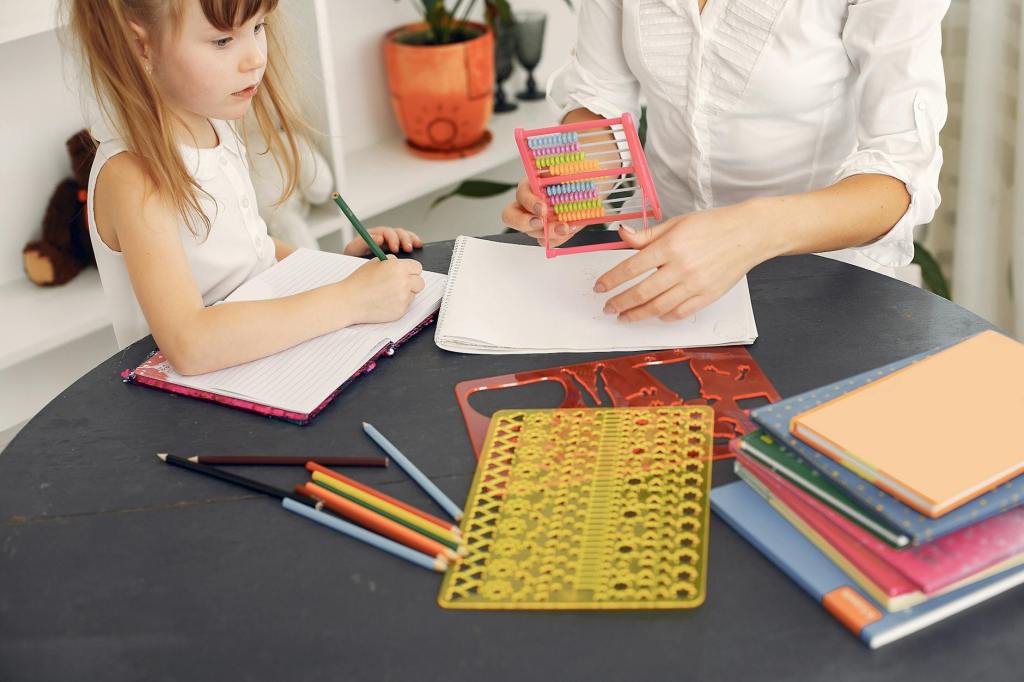
Instead, subjects are layered throughout the day in small pockets:
- Handwriting
- Science or social studies
- Character development
- Read-alouds
Each one gets a short, intentional window.
And then your child goes right back to being a kid.
How Much Time Does This Actually Take?
This is where most people are surprised.
If you add up all focused learning time:
- Phonics
- Math
- Handwriting
- Science/social studies
- Character
It comes out to about 45-60 minutes total for the entire day.
Not 3 hours.
Not a full school day.
Just 45-60 minutes of intentional, focused learning.
Why This Approach Works (And Feels So Different)
A lot of parents worry: “If I use curriculum… am I just recreating school at home?”
The answer is no.
Because the difference isn’t what you use, it’s how you use it.
In a homeschool setting:
- Lessons are shorter
- Timing is flexible
- Learning is integrated into life
You’re not recreating school. You’re creating something better suited for your child.
What This Looks Like by the End of the Day
When you step back and look at your day, you’ll realize:
- You covered your core subjects
- Your child played (a lot)
- You spent time together
- Life still happened
Everything got done… just not all at once.
And that’s the key.
Final Thoughts: You Don’t Have to Choose
If you’ve been feeling stuck between:
- Structure vs. freedom
- Curriculum vs. play
You don’t have to choose.
You can have:
- Structure that supports learning
- Flexibility that supports real life
And when you find that balance… homeschooling kindergarten starts to feel simple, doable, and even enjoyable.
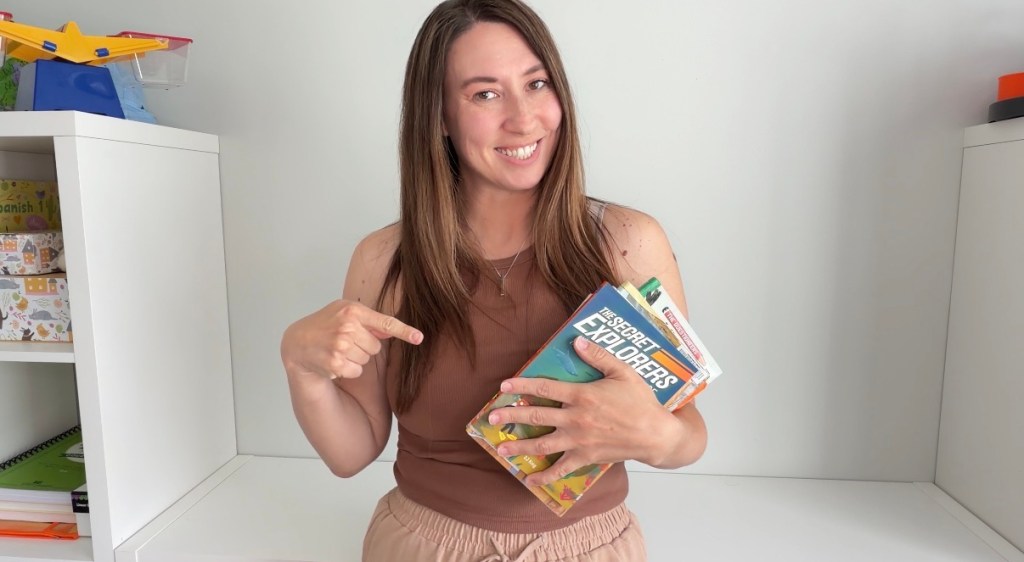
If you want help choosing curriculum that fits into this kind of rhythm, make sure to watch the video below.
Or check out the exact Kindergarten Curriculum we use and LOVE here:
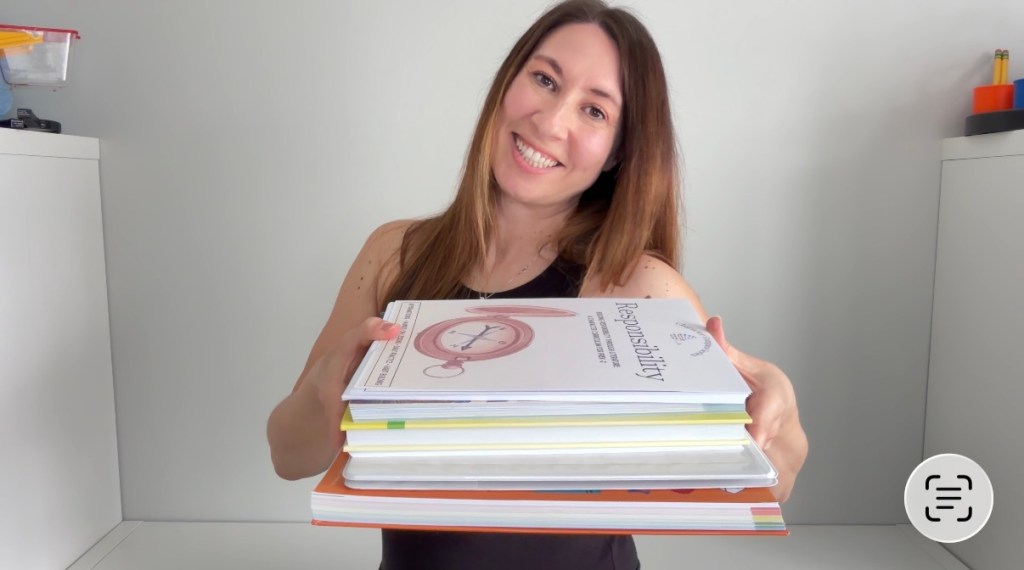
(And if you’re ready to bring character-building into your daily rhythm, you can find my Character Compass curriculum here: https://stan.store/anchorandsailcollective




Leave a Reply