If your child knows what to do in the morning, but mornings still feel rushed, emotional, and exhausting..you’re not doing anything wrong. And neither is your child.
This is one of the most common frustrations parents search for:
- “Why are mornings so stressful with kids?”
- “My child knows the routine but still won’t get ready.”
- “Morning routine struggles.”
The issue usually isn’t motivation. It’s not defiance. And it’s not a lack of structure. It’s something much simpler and much more fixable.

Knowing What to Do Isn’t the Same as Knowing How to Move Through It
Most kids can tell you their morning routine.
They know:
- get dressed
- eat breakfast
- brush teeth
- grab backpack
But knowing the steps doesn’t mean they know how to move through them calmly, in order, and under time pressure. That skill- moving through a sequence without adult management is developmental. It has to be taught, not assumed.
Why Checklists and Verbal Reminders Often Make Mornings Worse
When mornings feel hard, parents usually respond with:
- more reminders
- more checklists
- louder urgency
Ironically, those tools can overload kids instead of helping them.
Here’s why:
1. Checklists require kids to hold too much in their head
Young children aren’t great at juggling multiple steps internally.
Even visual checklists still require:
- scanning
- remembering what comes next
- switching attention
That’s a lot before breakfast.
2. Verbal reminders fragment focus
Each reminder interrupts whatever step your child was trying to do.
Instead of creating momentum, it resets it.
So mornings start to feel like:
- stop / start
- redirect / remind
- repeat
Which exhausts everyone.
The Real Problem Isn’t the Tasks, it’s the Transitions
Most morning routines fall apart between steps, not during them.
Your child can:
- get dressed
- eat breakfast
But the transition from finished → next is where things stall.
Transitions require:
- internal regulation
- sequencing
- follow-through
Those are executive function skills and they don’t mature overnight. So when mornings are rushed, emotional, or pressured, routines are the first thing to collapse. Not because your child doesn’t know the routine but because pressure removes the mental space they need to move through it.
Why Routines Break Down Under Pressure
Time pressure changes how kids’ brains work.
When they feel rushed:
- memory weakens
- sequencing falters
- emotional regulation drops
So the very moments when we need routines to work are the moments kids are least able to rely on memory alone. This is why “they do it fine on weekends” but struggle every weekday morning.
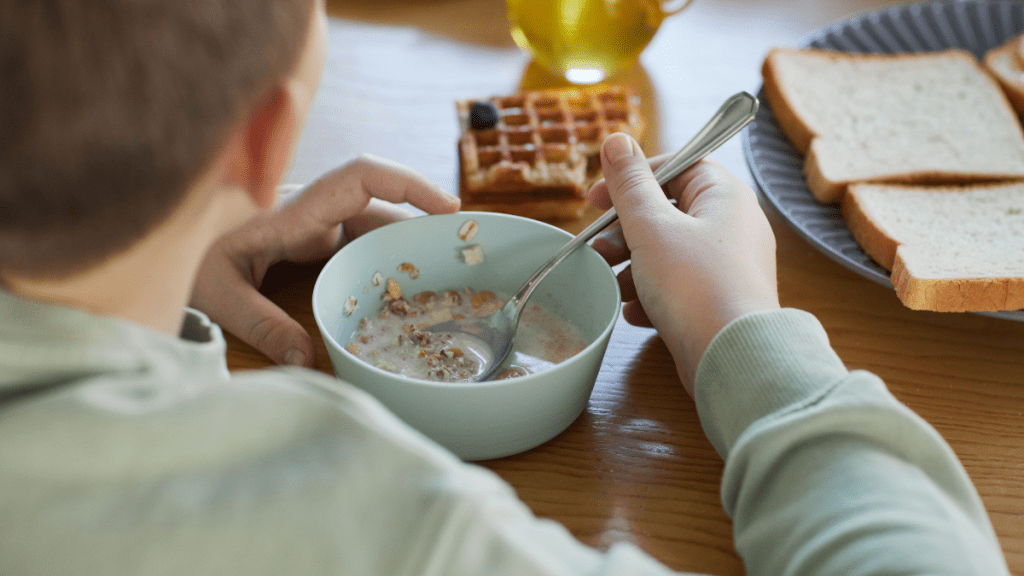
What Actually Helps Kids Move Through Mornings
Instead of asking kids to hold steps in their head, kids need a path to follow. A rhythm they move through. A predictable flow. An order their body recognizes even when their brain is tired.
This is the difference between:
- managing a routine
and - moving through a routine
How Built Whole Approaches Mornings Differently
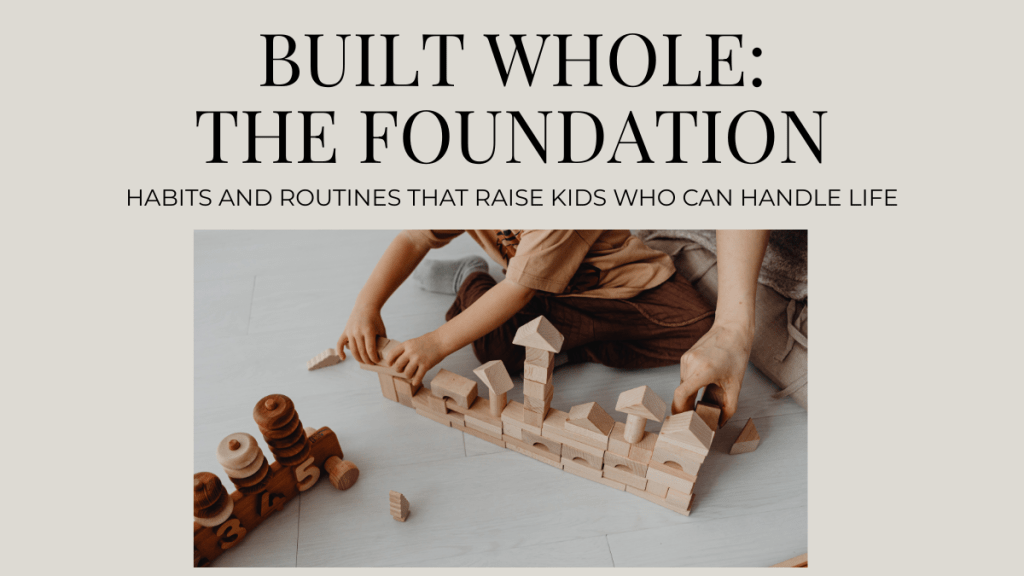
Inside Built Whole: The Foundation, mornings are supported through Daily Rhythms, not checklists.
Daily Rhythms teach children:
- how one step naturally leads to the next
- how to transition without prompts
- how to rely on structure instead of reminders
The goal isn’t speed. It’s independence without pressure. When kids know the path, they don’t need you to manage every turn.
A Calm Morning Isn’t About Doing More, it’s About Holding Less
Mornings feel hard when kids are asked to:
- remember too much
- decide too much
- regulate too much- too early
When structure does the remembering for them, kids can focus on moving, not managing. That’s when routines finally start to feel… routine.
Ready to Stop Managing Mornings?
Built Whole teaches children how to move through routines without you directing every step.
If mornings in your home feel harder than they should, Built Whole: The Foundation shows you how to install Daily Rhythms that actually hold- even on busy days.





 Anchor and Sail Collective
Leave a comment